Start with the surface, because it decides the method
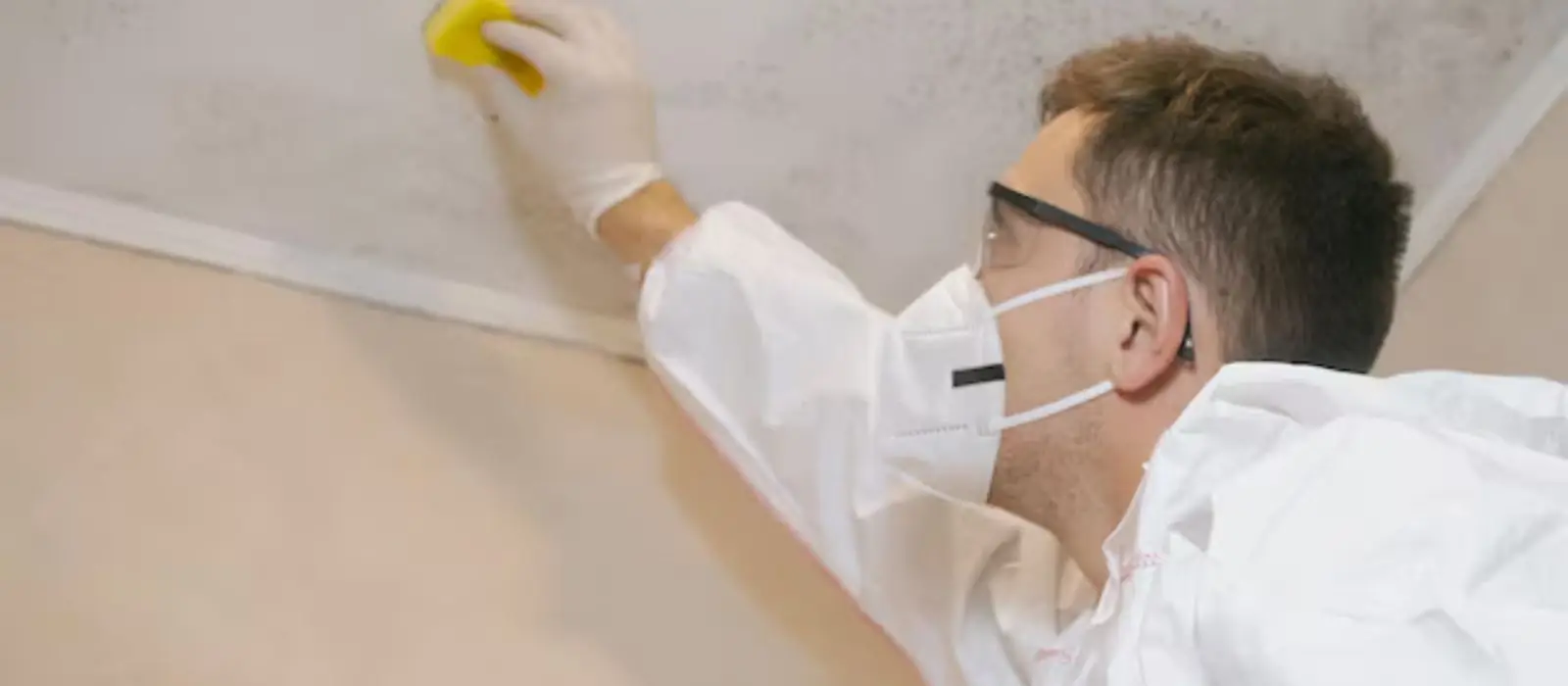
Bathroom mold removal depends on what the mold is growing on. Sealed, nonporous surfaces such as glazed tile and fiberglass can be wiped and rinsed. Porous ones such as grout, unsealed drywall and old caulk hold growth in their pores and are harder to clean.
The second question is where the moisture comes from. Steam from showers is the usual cause, but a slow leak behind a wall can look identical on the surface. If cleaning works for a few weeks and the spots come back, suspect the wall.
Surface by surface: what approach fits
| Surface | Approach | Notes |
|---|---|---|
| Glazed tile | Wipe with detergent and warm water, rinse, dry | Nonporous, so surface growth usually cleans off. |
| Grout | Scrub with a stiff brush and cleaner, then dry, consider sealing | Porous, so stains may remain. Regrouting is an option. |
| Silicone caulk | Remove and replace | Growth often sits under the surface and will not wipe out. |
| Painted drywall, small spot | Wipe, dry fully, repaint with mildew-resistant paint | Only if the board is firm and dry. |
| Painted drywall, soft or bubbling | Cut out and replace | Moisture has reached the core. |
| Wall behind tile or shower | Professional assessment | Cannot be seen or reached without opening the wall. |
| Ceiling above shower | Clean if sealed, check fan and attic | Look for roof or vent leaks. |
Cleaning small areas on sealed surfaces
For a patch smaller than your hand on glazed tile, a household detergent, a soft brush and clean water are enough. Wear gloves and eye protection, ventilate the room, and never mix cleaning products with each other.
Rinse with clean water and dry the surface with a towel. Drying is the step people skip, and it matters most, since mold needs moisture to grow.
Do not scrub drywall hard. That drives moisture into the paper and breaks the surface. If the paint lifts or the board feels soft, stop cleaning and plan to replace it.
Ventilation and fan habits
Most bathroom mold is a ventilation story. A fan that is too weak, ducted into the attic, or switched off before the room dries leaves steam sitting on walls.
- Run the exhaust fan during the shower and for a while after, until mirrors clear.
- Open the door after use to let humid air out.
- Squeegee tile and glass after showers.
- Hang towels so they dry rather than lying wet on a rack.
- Check that the fan actually pulls air. Hold a tissue to the grille.
These habits lower humidity but do not guarantee anything. They reduce the moisture mold depends on.
If mold keeps returning to the same wall, call us and we will check what is behind it.
☎ Call (385) 988-9410When the problem is behind the tile
A leaking shower valve, cracked grout line or failed pan can soak the wall behind tile for months. Signs include loose or hollow-sounding tiles, soft drywall on the other side of the wall, a musty smell that stays after cleaning, and stains on an adjoining room.
In that case the visible mold is a symptom. The wall has to be opened, the source repaired by a plumber, and the cavity dried. A moisture meter and thermal imaging camera show how far the water traveled without tearing everything out first.
That is a job for mold remediation crews who work to ANSI/IICRC S520, the published industry standard for mold work. Ask any company whether its crews follow it.
When to call a professional
- Growth covers a large area or spreads onto neighboring walls.
- The drywall is soft, swollen or crumbling.
- Mold returns within weeks of cleaning.
- There is a known leak or past water event behind the wall.
- You are unsure of the source of the moisture.
Homes in Mapleton and Springville have the same bathroom layouts we see in Spanish Fork, and the same warning signs apply. Questions about health effects belong with your physician. A restoration company can assess materials and moisture, not diagnose people. If water damage is part of the picture, our mitigation crews handle the drying first.
Testing and what remediation involves
Remediation under S520 includes containing the area, removing affected porous materials, cleaning surfaces with HEPA vacuums and damp wiping, and drying the structure. HEPA air scrubbers filter the air during work.
Testing can be used to confirm results after the work. Whether to test before or after is a conversation to have with the company doing the job.
Expect the crew to explain what will be removed before they start. Painted drywall that is soft usually comes out, tile that is solid may stay, and the plan for the shower wall depends on what the moisture meter shows once the wall is opened. Ask for the plan in writing, including how the opening will be left until the plumber and the rebuild are finished.
Spanish Fork note: older plumbing runs and who owns the line
Spanish Fork's Water Division supplies drinking water from 5 springs and 2 wells, so your tap water source is the city's concern up to the meter. Anything inside the house, including shower valves and supply lines, is yours, so a drip behind a bathroom wall is an owner repair.
The city's structural design criteria use a 30-inch frost depth. A bathroom on an exterior wall can see cold surfaces where steam condenses, which feeds mold on the wall. Check exterior-wall bathrooms first when you see recurring growth.
With 80.4% of homes owner-occupied, most bathroom walls here are the owner's to open. Ask Spanish Fork Building at 40 S Main St about permit questions if the repair involves more than surface work.
Source types: city utility page, city structural design criteria, U.S. Census Bureau, Spanish Fork Building
Frequently asked questions
Small areas, yes, with a stiff brush and cleaner, then dry the grout. Stains can stay in porous grout. Persistent growth may mean regrouting or a water source nearby.
Replace it. Growth often sits beneath the surface, and new silicone gives a clean seal once the joint is dry.
Look for loose tiles, soft drywall, a lingering musty smell, and mold that returns after cleaning. A moisture meter reading confirms it.
Not as a rule. Bleach does not penetrate porous materials, and mixing it with other products is hazardous. Follow product labels and remove porous material when needed.
Yes, they remove humid air, which lowers the moisture mold needs. A fan that is weak or ducted poorly does little.
A plumber repairs the source. A restoration crew dries and, if needed, removes damaged materials. The city handles the water main, not plumbing inside your house.