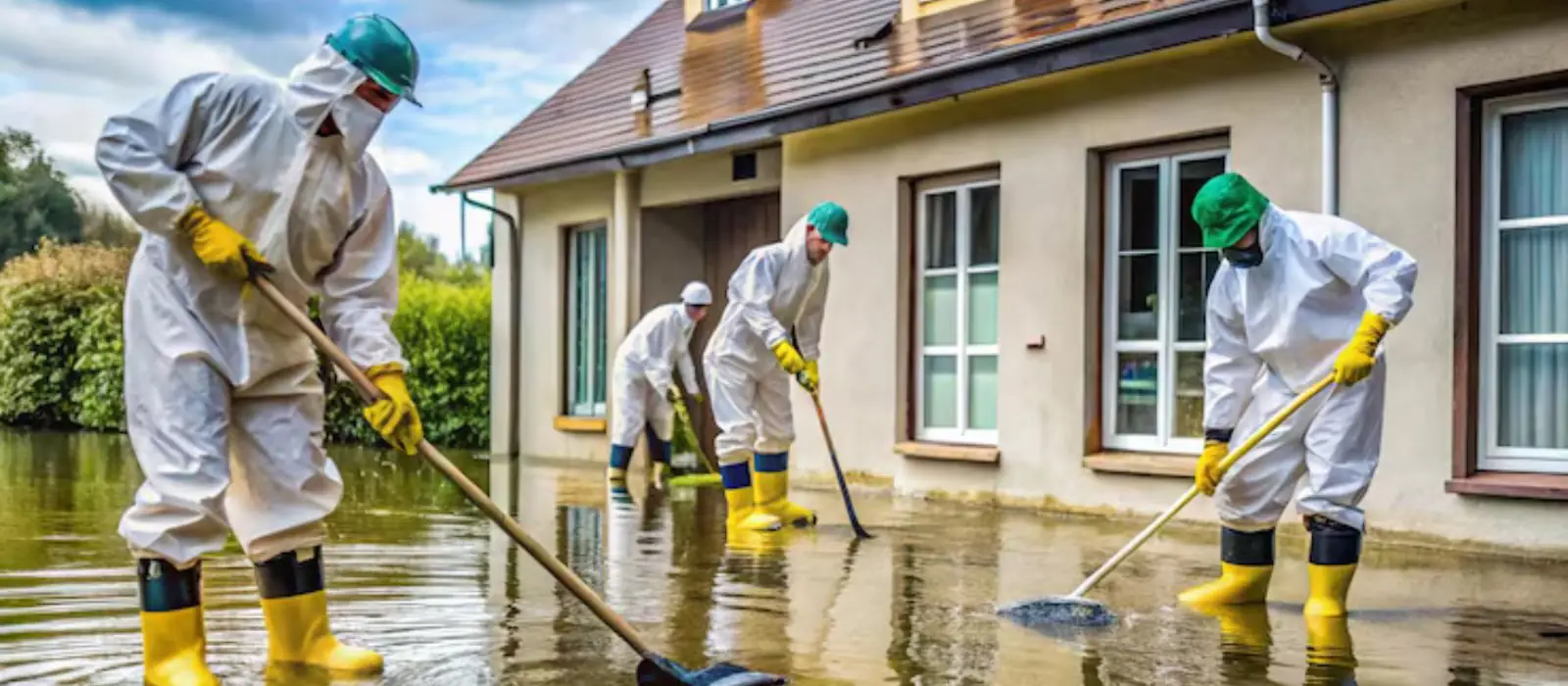
Flood damage restoration in Spanish Fork covers water that enters from outside the plumbing, such as runoff, a river, groundwater or a sewer backup. This is usually Category 2 or 3 water, and it needs more protective steps than a clean supply-line leak. Our 24/7 emergency line is open now, and until help arrives you should stay out of the water, keep power off wet areas if the panel is dry and reachable, and lift valuables.
If a pipe or appliance caused the water, you may be reading the wrong page. Emergency water removal and water mitigation cover those cases.
When flooding is an emergency
Any water in a house that came from outside, from a drain, or from a toilet should be treated as an emergency. So should water that is reaching outlets, the furnace or the panel. These losses carry contamination, and porous materials that touch it often cannot be saved.
Before you enter a flooded space
Water can hide electrical hazards. If the water is touching outlets, appliances or the panel, stay out and call the electric utility or 911 before you call the restoration line.
Gas smells, sparking or standing water deeper than ankle depth in a basement belong with emergency services first. Keep children and pets out of the water, and wash with soap and clean water after any contact.
Spanish Fork's flood history and exposure
The city's own flood information page records Spanish Fork River floods in 1983 and 1984, with peak flows of 2,770 and 3,700 cubic feet per second, against a typical spring flow of 500 to 1,000. The same year, the Thistle landslide formed Thistle Lake and flooded US-6 and US-89, according to the Utah Geological Survey, with damages over $200 million.
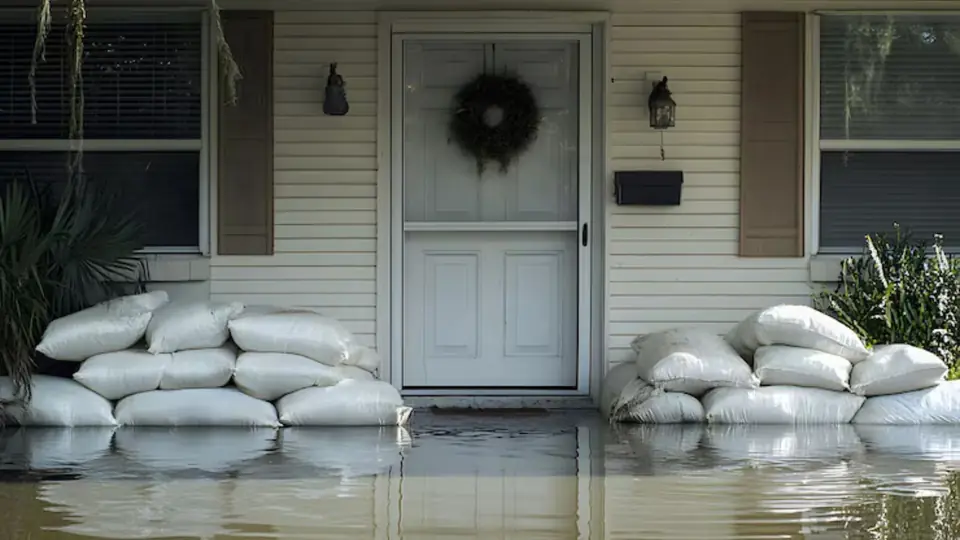
The city's floodplain map uses FEMA zones AE, AE Floodway, A and X, and a 2023 letter from the city floodplain manager recommends flood insurance for properties in or near special flood hazard areas. It notes that a 1 percent annual chance of flooding adds up to about 25 percent over a 30-year mortgage. You can look up your own address at the FEMA Flood Map Service Center.
Utah's Insurance Department states that standard homeowners policies do not cover flood. If you are near the river or a drainage, ask your insurer about flood coverage before the next spring runoff, because flood policies typically carry a 30-day waiting period.
Basement flooding cleanup
Basements flood from several directions. Window wells fill when drainage fails, sump pumps stop during a power loss, and groundwater pushes up through floor cracks during heavy runoff. Each of those starts with the same job: pump the water down, remove wet carpet and pad, and begin drying before the walls pull the water up.
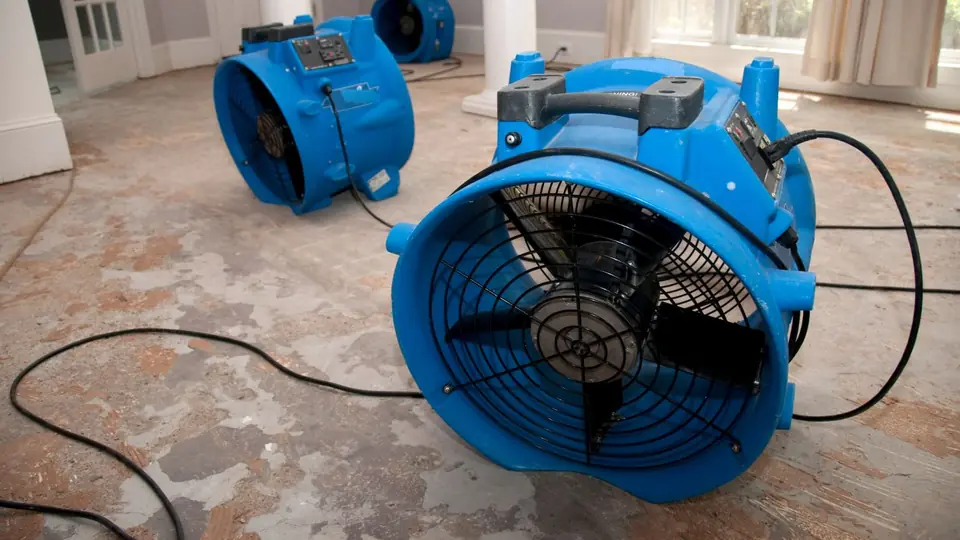
A finished basement adds drywall, baseboard, insulation and sometimes bedrooms or kitchens. Moisture meters and thermal imaging find the wet areas, and what comes out depends on how long the materials were wet and what kind of water it was.
Restoration repairs the damage. It does not stop water from coming in again. If a basement keeps flooding, a drainage or foundation contractor needs to look at grading, window wells and sump capacity.
Sewage backup cleanup
Sewage is Category 3 water. It carries contamination, and the work is not suitable for do-it-yourself cleanup. Crews wear protective gear, remove porous materials such as carpet, pad and drywall that touched it, and sanitize hard surfaces.
In Spanish Fork the city is responsible for the sewer main up to the property line, and the owner is responsible for the lateral from the property line to the house. A backup in the house often points to the owner's line, but a plumber with a camera can confirm where the blockage is. Call the city's public works department if you suspect a main problem.
Flood insurance under the National Flood Insurance Program covers sewer backup only when it is directly caused by surface flooding, according to Utah's Insurance Department. Other sewer backup coverage usually comes as an endorsement on a homeowners policy, so check yours.
Crawl spaces and whole-house flooding
Water in a crawl space is easy to miss. It soaks insulation and subfloor from below, raises humidity under the house and can lead to mold if it stays. A whole-house flood is a larger version of the same problem, with extraction, drying, cleanup and rebuilding all running at once. We scope those in stages and explain each one before work starts.
Flood water categories and what they mean
| Source | S500 category | What usually happens to materials |
|---|---|---|
| Rain or runoff entering a window well | Category 2 or 3 | Carpet and pad removed, drywall cut above the water line, hard surfaces cleaned |
| River or creek overflow | Category 3 | Porous materials removed, structure cleaned and dried |
| Sump pump or groundwater seepage | Category 2 | Wet materials removed, concrete and framing dried |
| Sewer backup | Category 3 | Porous materials removed, protective gear, heavy sanitizing |
What changes the cost of flood restoration
| Cost factor | Why it matters |
|---|---|
| Water category | Contamination adds protective gear, disposal and sanitizing. |
| Area and depth | More flooded area means more extraction and more materials to remove. |
| Materials removed | Drywall, insulation and flooring each add removal and disposal. |
| Drying days | Equipment time depends on how wet the structure is. |
| Rebuild scope | Replacing what came out is estimated separately. |
Flood damage is usually excluded from standard homeowners policies, so check your policy and ask your insurer what applies. We explain scope and price before work starts, and you can call the emergency line for a conversation about your situation.
Water in your basement right now? Call the 24/7 emergency line.
☎ Call (385) 988-9410Flood restoration around Spanish Fork
We respond to flooding in Spanish Fork and in towns such as Springville, Payson and Salem. If the flood has stopped and the cleanup is next, water damage cleanup explains that stage.
Flood damage restoration questions
Yes. Our emergency line answers 24 hours a day, every day, with same-day response when a crew is available. Floods often happen after hours, so we do not wait for business hours.
Standard homeowners policies typically exclude flood, according to Utah's Insurance Department. Flood coverage is a separate policy, and it usually has a waiting period, so check with your insurer before the next high-water season.
Look up your address at the FEMA Flood Map Service Center. Spanish Fork's own floodplain map also shows FEMA zones, and the city's floodplain manager can answer questions.
Often, yes. Concrete, framing and many hard surfaces dry well. Carpet, pad and drywall that touched dirty water often do not survive, and the crew decides with meters and inspection.
Yes. Water in a crawl space is removed, the space is dried, and insulation or subfloor that is wet is evaluated. If water keeps coming in, a drainage contractor is the next call.
No. Restoration repairs flood damage. Waterproofing and foundation drainage are separate trades.